Baby Sleep Associations: A Gentle Guide to Independent Sleep

This article is approved by Yuppo Lab Sleep Expert
Published: 13 August, 2026
Updated: 13 August, 2026

At a Glance
Self-soothing to sleep means a baby can calm down and fall asleep without parental help. This skill usually begins developing after 4–6 months.
Moving away from assisted sleep works best by gradually reducing established habits, such as nursing or rocking, rather than stopping them suddenly.
The foundation of a successful plan for improving nighttime sleep is a calm, predictable bedtime routine repeated at the same time each evening.
Every baby has a different temperament and response to sleep training. Flexibility and patience are important throughout the process.
Baby sleep associations are a major concern for parents looking for solutions when their babies wake frequently at night and often feel exhausted. The term refers to the ways your baby becomes calm and falls asleep in their own crib without outside help. If you rock your baby in your arms, pat them for a long time, or nurse them to sleep every night, you may be looking for a healthy way to stop relying on these sleep supports. In this guide, you’ll learn sleep-training methods that respect your baby’s development, steps for creating an effective bedtime routine, and strategies for improving healthy nighttime sleep.


What Are Baby Sleep Associations, and Why Do They Matter?
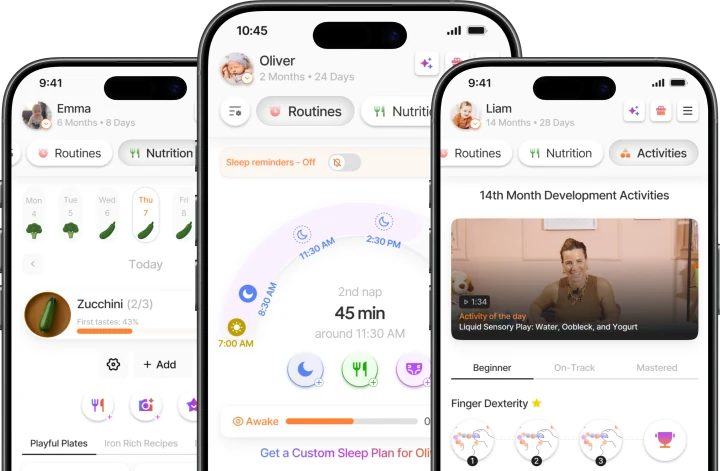
Baby sleep associations are the ways a baby learns to fall asleep after being placed in the crib while awake, without physical help such as rocking or nursing, and to calm back down after waking at night. Babies are not born knowing this skill. Like walking or talking, it is learned over time with support. When a baby wakes during the night and knows how to self-soothe, they may return to sleep independently rather than crying for a parent. This can help your baby get more restful sleep and protect the family’s overall sleep. Enter your baby’s wake-up time in the Yuppo app to see nap and nighttime sleep times tailored to their age and individual habits, and identify suitable sleep windows more easily.
Understanding Sleep Cycles
Infant sleep cycles are physiological periods that include moving from light sleep to deep sleep, followed by brief awakenings, and usually last about 45–60 minutes. Adult sleep cycles are much longer. Babies naturally stir as they move from one cycle to the next. This is often when parents begin looking for ways to stop rocking baby to sleep. If your baby is used to being rocked or nursed to fall asleep, they may seek the same support during the brief awakening at the end of a cycle. If it is not available, they may wake fully. Frequent waking during periods such as the 4-month sleep regression is also often related to difficulty getting through these cycle transitions without help.
Developmental Benefits of Independent Sleep
Babies who can fall asleep independently may be more content during the day because they get more uninterrupted rest at night, which can support healthy brain development. Growth hormones released during sleep help the brain process and store new information learned during the day. The American Academy of Pediatrics (AAP) states that sufficient, high-quality nighttime sleep supports babies’ immune systems and healthy cognitive development.
When to Start Sleep Training and Moving Away From Assisted Sleep
The most suitable time to start sleep training and encourage independent sleep is generally between 4 and 6 months, when self-soothing skills begin to develop. Before this age, a baby’s circadian rhythm and melatonin production are not yet fully established. In the first three months, it is entirely expected for newborns to need substantial parental support and want to sleep in your arms or while nursing.
After 6 months, babies are physically more able to sleep for longer periods at night without feeding, so you can gradually begin moving away from assisted sleep. In line with World Health Organization (WHO) guidance, remember that developmental milestones vary from baby to baby, and the right time may be different for each child. Reading your child’s cues and watching for individual readiness is the best approach; baby sleep schedules by age may also give you useful ideas.
How to Stop Rocking or Nursing Your Baby to Sleep
Rather than stopping established habits suddenly, gradually reduce the support you provide over several days and help your baby get used to sleeping in their own crib. Small steps are important because they help your baby feel secure and resist change less. If your baby nurses to sleep, try offering the feeding after the bath or before story time instead of immediately before sleep. This can loosen the direct connection between feeding and sleep. If you rock your baby, start by slowing the movement a little each day.
Gradual Reduction
Gradual reduction is a gentle transition strategy in which you ease back on sleep supports such as rocking or patting a little more each day, helping your baby calm down in the crib. For example, if you rock your baby while standing, sit down and rock gently for the first few days. On the following days, hold your baby still in your arms. At the next stage, place your baby in the crib when sleepy but not fully asleep. This approach gives your baby a chance to learn self-soothing without undermining their sense of security.
Creating an Effective Baby Bedtime Routine
A baby bedtime routine is a predictable series of calming steps, such as a bath, massage, reading, or a lullaby, done before sleep each night. Babies like routines, and knowing what comes next helps them feel secure. Dimming the lights around the home and ending active play about 30–45 minutes before sleep signals that bedtime is approaching. A consistent, calming routine can make it much easier to improve nighttime sleep by supporting the body’s natural melatonin production.

Common Mistakes When Establishing a Baby’s Sleep Schedule
Common mistakes include waiting until a baby is overtired, using an inconsistent approach, and skipping naps. Some parents think that a baby will fall asleep faster at night if they are tired enough. In fact, staying awake too long can trigger the release of stress hormones, including cortisol, making it much harder to fall asleep.
Another common mistake is inconsistency. Picking your baby up and rocking them after expecting them to fall asleep independently the night before can be confusing. Unclear expectations can prolong the process. To avoid missing daytime sleep windows and prevent overtiredness, use Yuppo’s routines module. You can plan your day with confidence by checking the recommended total sleep times and number of naps for your baby’s age and individual tendencies.
When Should You Consult a Sleep Specialist or Doctor?
Consult your child’s doctor if your baby’s sleep habits do not settle, if there are signs of a physical problem interfering with sleep, or if difficulties continue for months despite trying different approaches. Most sleep disruptions are temporary and occur during developmental leaps, teething, or periods of sleep regression. Persistent sleep problems can sometimes point to other medical causes, such as enlarged adenoids, reflux, or iron deficiency. Trusting your instincts and seeking professional support when needed is an important step for your baby’s health.

Summary and Next Steps
Watch for sleep cues: Look for signs of tiredness such as eye rubbing, yawning, or playing with the ears, and put your baby to bed before they become overtired.
Build a consistent routine: This week, start a fixed 30-minute bedtime routine each evening with a warm bath and dim lighting.
Reduce sleep supports gradually: Instead of stopping rocking or nursing suddenly, ease back step by step and practice placing your baby in the crib while awake.
Prioritize daytime naps: Plan naps around age-appropriate awake times to support better nighttime sleep.
When to Call the Doctor
Your baby has trouble breathing during sleep, holds their breath, or snores loudly,
Crying spells at bedtime are accompanied by signs of physical illness, such as a fever of 38°C (100.4°F) or higher in babies over 3 months, vomiting, or diarrhea,
Your baby over 6 months wakes every hour throughout the night and cannot calm down even when you hold them,
Despite months of consistent bedtime-routine efforts, poor sleep clearly interferes with your baby’s daytime development, mood, or feeding.
This content is for informational purposes only. Always consult your child’s doctor for diagnosis and treatment.
As you work to change your baby’s sleep habits, remember that every baby has their own rhythm and that the process can take time. You can try the Yuppo app for free to track your baby’s sleep each day and check whether your routines match their sleep needs.
When you enter your baby’s morning wake-up time in Yuppo, you can see personalized bedtimes shaped around their developmental needs. You can also support your bedtime routine with expert-approved soothing lullabies and white noise in Yuppo, helping your baby settle calmly in the crib.
Frequently Asked Questions
Can you sleep train a baby without letting them cry it out?
Yes. Gentle sleep training can involve staying close, offering reassurance, and gradually reducing sleep support. Your baby may fuss because the familiar routine is changing. You can respond with warmth and consistency, without leaving your baby alone to cry intensely. This approach allows you to support independent sleep while keeping your baby’s sense of security in mind.
Can a 4-month-old baby fall asleep independently?
Some 4-month-olds begin showing self-soothing skills, but this can also be a sensitive period because of the 4-month sleep regression. Many babies gradually become neurologically ready to fall asleep independently between 4 and 6 months. Read your baby’s cues and consider their individual development rather than following a strict timetable.
What should I do when my baby wakes up at night?
When your baby wakes at night, pause briefly before picking them up and give them a chance to settle in the crib. If they cry, go to them and offer gentle touch, a quiet “shh,” or a soft lullaby. Supporting them without immediately taking them out of the crib may help them return to sleep.
What should a baby’s bedtime routine include?
A calming routine might include a warm bath, gentle baby massage, pajamas, nursing or feeding, and a story. The most important part is consistency: follow the same order each evening in a quiet, dim, low-stimulation environment. Predictable steps help your baby recognize that sleep is approaching and make the transition easier.
Does teething affect sleep training?
Teething can temporarily disrupt sleep and make it harder to settle because of gum discomfort and fussiness. It is reasonable to be flexible and offer extra comfort during this period. When your baby is feeling better, gently return to the previous routine. Contact your child’s doctor if you are concerned about pain or other symptoms.
Can daytime naps affect nighttime sleep?
Babies who nap for age-appropriate periods and do not stay awake beyond their sleep windows often fall asleep more easily at night and wake less. Adequate daytime sleep may help reduce overtiredness. In contrast, skipping naps can contribute to overtiredness and more frequent nighttime waking.
References

Yuppo Lab
Sleep Expert

Yuppo Case
Learn how parallel play supports toddlers and find simple developmental activities for toddlers at home. Follow your child’s progress with Yuppo.

Yuppo Case
Learn why a child growth chart is more useful over time than one weight check—and how Yuppo helps you follow your child's growth. Track growth with Yuppo.

Yuppo Case
Learn why picky eating happens and how to support your child with calm, practical steps. Track meals and nutrition with the Yuppo app.