Fine Motor Skills Milestones: A Guide by Age

This article is approved by Yuppo Lab Pediatric Physiotherapist
Published: 20 August, 2026
Updated: 20 August, 2026
Highlights
Fine motor skills milestones in children unfold over a broad range, with each baby developing at their own pace. They often begin around 2-4 months with reaching for objects.
Gross motor skills use large muscle groups for movements such as walking, while fine motor skills focus on smaller movements, such as grasping objects with the fingers.
Most babies develop the ability to pick up small objects using their thumb and index finger—the pincer grasp—between 8 and 12 months.
Simple play dough, sensory bins, and safe tearing activities are some of the most effective ways to support hand-eye coordination at home during early childhood.
Fine motor skills milestones in children reflect the unique sequence of steps their small hands take as they explore the world, often unfolding over months or even years. When your baby will reach for toys or hold a spoon independently is understandably one of the questions parents wonder about most during those tiring yet exciting days. In this guide, you’ll learn about motor development from birth through age 6, expected ranges for fine motor skills, and supportive activities you can try at home. Our goal is to ease the stress of comparing your child with other babies and help you support their development with confidence and reliable information.


What Are Fine Motor Skills Milestones in Children?
Fine motor skills milestones are physical abilities that develop step by step, from the first months through the preschool years, as the nervous system matures and children gain control over their muscles.
The American Academy of Pediatrics (AAP) explains that children’s physical skills generally develop from head to toe and from the center of the body outward. In other words, babies usually learn to control their neck, back, and arm muscles before they can skillfully use their fingers. Every baby develops at a different pace, but knowing these milestones can help you create a safe space for exploration. Development is not a straight line; when your baby focuses on one skill, another may pause for a while.
Key Differences Between Gross and Fine Motor Skills
Gross motor skills involve movements of large muscle groups, such as crawling or walking. Fine motor skills involve detailed actions using the small muscles in the hands and fingers, such as grasping objects.
These two areas often develop at the same time while supporting each other. For example, sitting upright with good balance gives your baby the trunk support needed to examine a block with their hands. As you support your child’s development in daily life, observing the balance between these areas can be a helpful guide.
Fine Motor Skills by Age: Developmental Chart
This fine motor skills by age chart is a reference showing when children typically develop hand-eye coordination and the ability to use their finger muscles, from around 2 months through age 6.
The chart below offers a general framework for when children commonly develop specific skills. The timing may vary by several months depending on each baby’s individual development.
Age Range | Expected Fine Motor Development |
|---|---|
0-3 months | Hands are usually fisted. Around 2-3 months, babies begin opening and closing their hands and reflexively grasping objects. |
4-7 months | Brings both hands together at the center, reaches for objects, and may pass toys from one hand to the other. |
8-12 months | Uses the thumb and index finger in a pincer grasp to pick up small foods and can drop objects into a container. |
1-2 years | Can stack a tower of 2-4 blocks, turn several book pages at once, and bring a spoon to their mouth. |
2-3 years | Makes scribbles while holding a crayon with the whole hand, strings large beads, and turns door handles. |
3-6 years | Can cut paper with scissors, fasten large buttons on clothing, and begins holding a pencil with three fingers. |
This chart is only a general guide for tracking changes in your child’s hand skills; the time it takes to master them is unique to each child.
Key Milestones in the First 12 Months
The key milestones in a baby’s first 12 months include the development of hand-eye coordination, from gradually opening their hands to grasping small objects with the thumb and index finger between 8 and 12 months.
According to World Health Organization (WHO) data, babies typically begin intentionally reaching for and grasping objects between 4 and 7 months. At first, they sweep objects toward themselves with their palms. As they approach their first birthday, their finger muscles become stronger. During 6-month-old baby development, when solids often become a bigger part of the routine, trying to grasp soft vegetables placed in front of your baby is a great opportunity to practice. If you’d like to follow the process in more detail, Yuppo’s developmental analysis lets you assess not only whether your child can perform a skill, but also the level at which they perform it. You can then receive a plan with activities suited to that level.
Coordination and Pencil Grasp Development from Ages 1 to 6
Coordination and pencil grasp development from ages 1 to 6 is a process that begins with scribbling at around 15 months and progresses to holding a pencil with three fingers in a controlled way during the preschool years.
During this period, hand skills become connected with a child’s growing sense of independence. Most children ages 2-3 hold crayons with their whole palm and freely draw lines. By ages 4-6, this grasp gradually begins to resemble an adult grasp. Hand preference also often starts becoming clearer around ages 3-4, so before then, you can offer encouraging opportunities to use both hands equally.
Fine Motor Activities for Babies and Young Children
Fine motor activities for babies are play and coordination exercises that encourage touching, squeezing, and grasping. They can generally begin around 4 months.
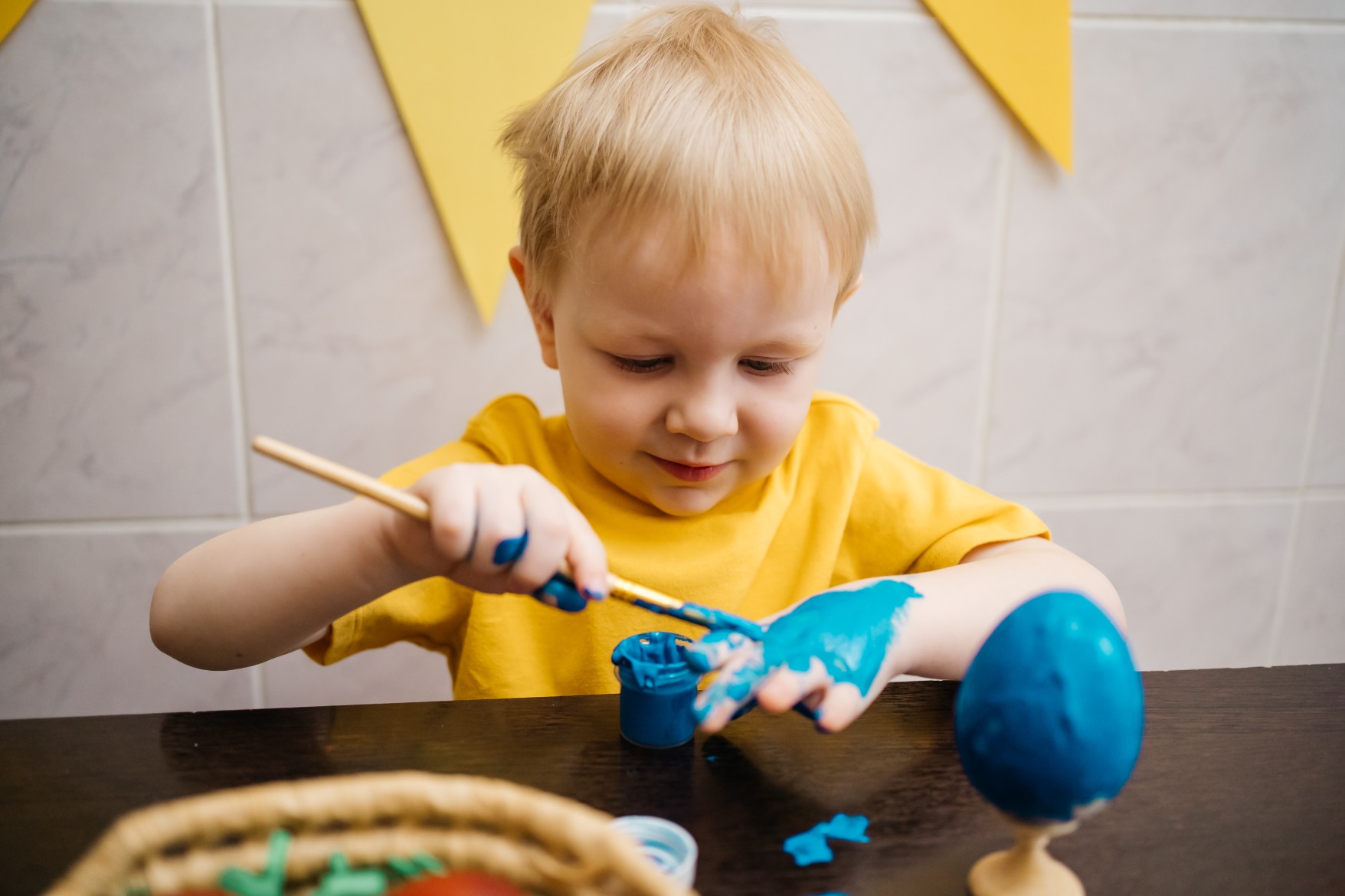
Working the finger muscles early on does not require complicated or expensive toys. You can create wonderful opportunities with safe materials at home. Giving your child the chance to experience different types of play supports mental flexibility as well as motor skills:
Sensory play: Wide containers filled with water or safe dry legumes let children explore different textures.
Tearing and crumpling: For children older than 1, tearing and crumpling magazines or colored paper gives the hand muscles a thorough workout.
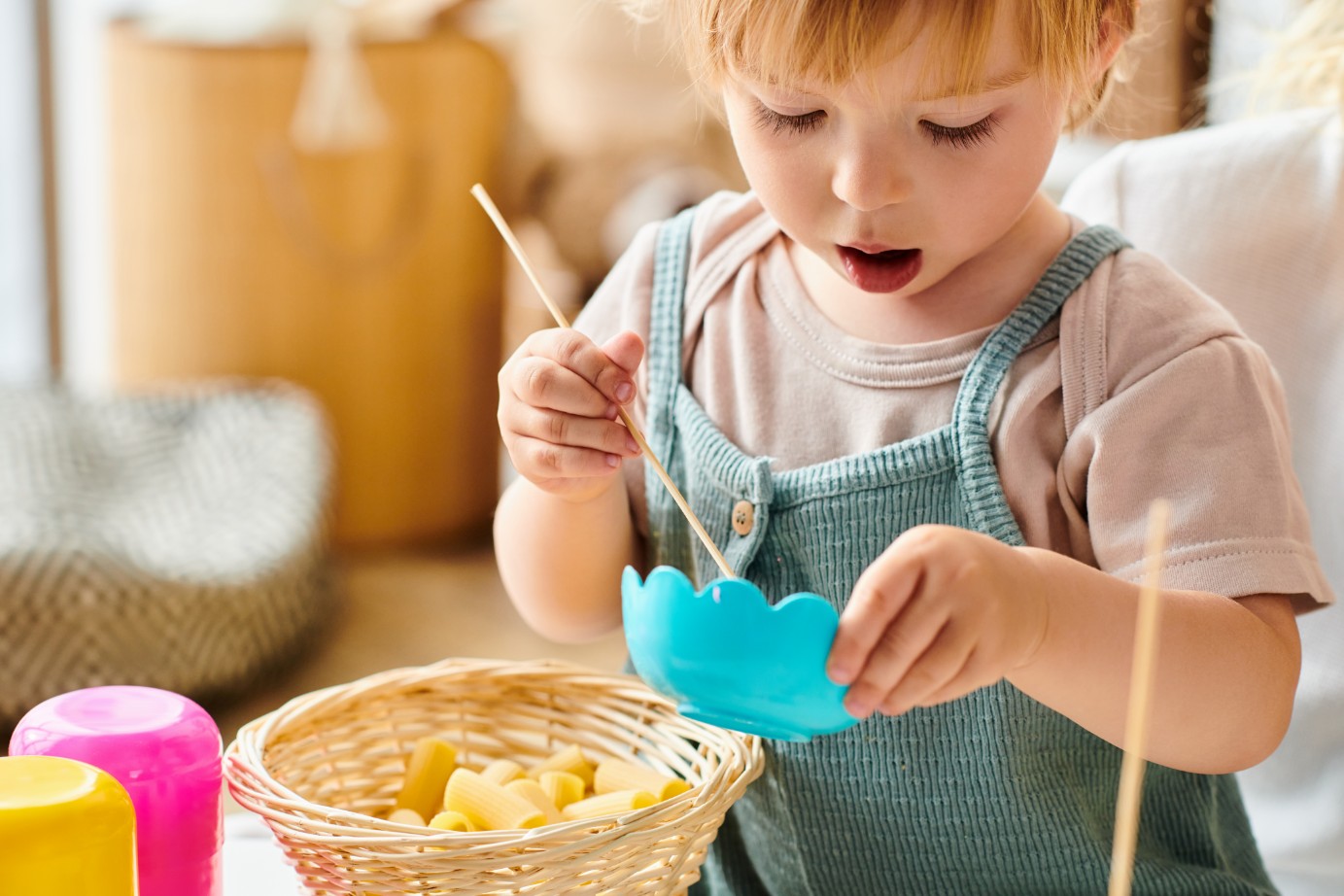
Stringing: For ages 2-3, threading tube-shaped pasta onto a thick string is a great way to practice focus.
Common Motor Development Mistakes and Better Approaches
Common motor development mistakes include trying to force children to sit with support when they are not ready, often around 4-6 months, or using equipment that limits their freedom of movement.
Many parents may rush certain steps because they believe they are helping their baby. It is healthiest to allow the developing muscle system to follow its natural sequence. Many experts note that baby walkers can affect a baby’s center of gravity and interfere with healthy hip muscle development. Instead, allowing babies to move freely on a play mat on the floor is much more helpful. Before the trunk muscles are fully strong—often before 5-7 months—keeping a baby upright for long periods with pillow support may affect posture habits. It is also valuable for babies to experience the dynamics of the crawling stage at their own pace. Crawling strengthens the shoulder and wrist muscles and supports later pencil skills.
Summary and Next Steps
Accept your child’s individual pace: Remind yourself that motor skills may develop at different ages for different children, and move through this week without comparisons.
Create a safe surface: Each day, prepare a safe surface, such as a play mat, that suits your baby’s age and movement abilities so they can use their muscles freely.
Offer sensory materials: Gather clean household objects with different textures—soft, bumpy, or slippery—to give your child opportunities to practice touching.
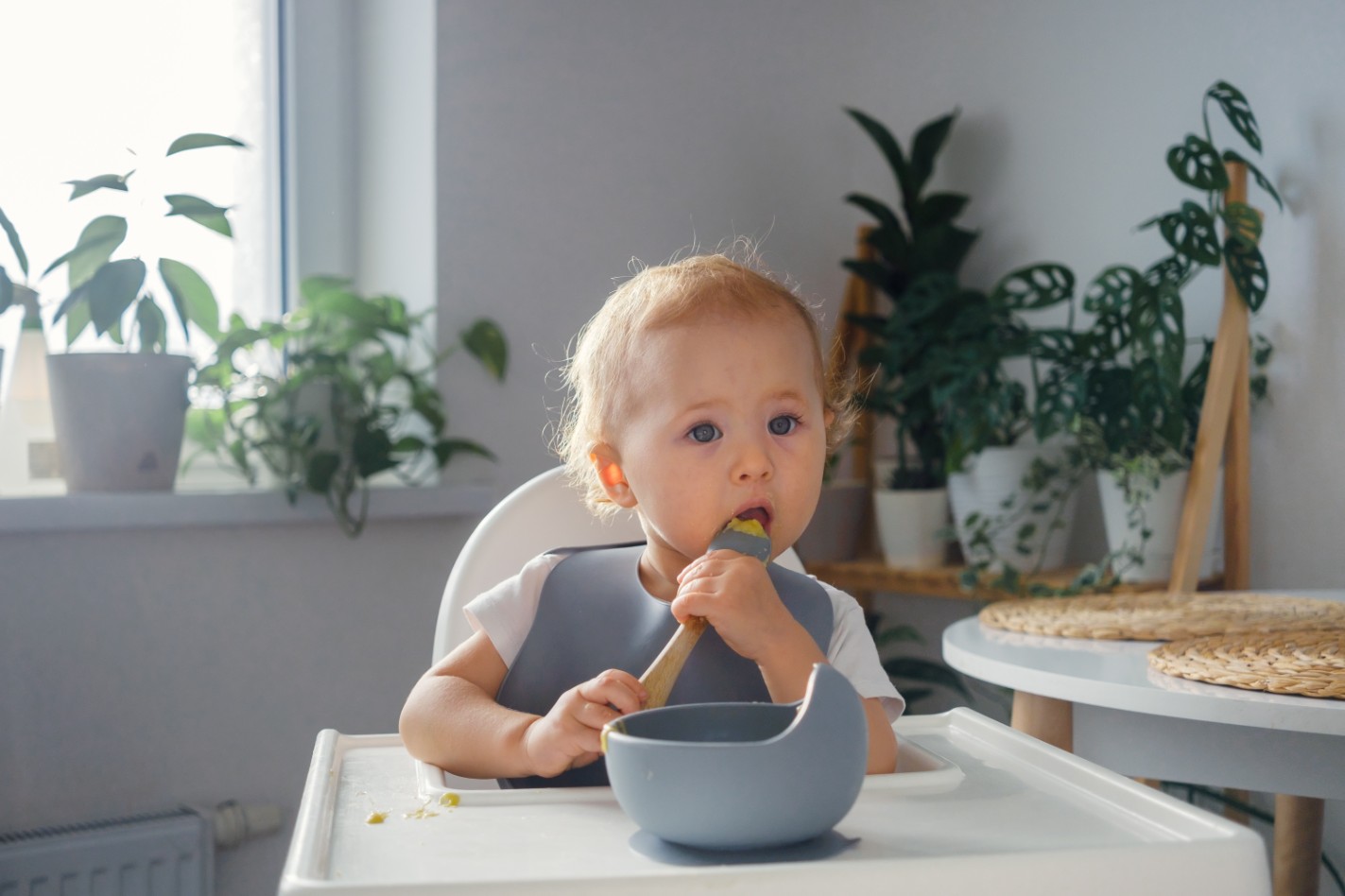
Support self-feeding: If your baby is eating solids, let them hold some foods with their fingers during certain meals, without worrying about the mess.
When Should You Call the Doctor?
Every child’s growth pattern is unique, but certain physical signs while tracking motor skills may call for an expert evaluation. Small delays are often normal, but the following signs may warrant attention:
At 3-4 months, your baby still keeps their hands tightly fisted most of the time,
By 6-7 months, your baby does not show an inclination to reach for or grasp objects,
By 12 months, your baby has difficulty passing toys from one hand to the other or cannot use a thumb-and-index-finger pincer grasp,
At any age, your child uses one side of the body heavily—for example, only the right hand—and clearly neglects the other side,
Motor skills your child previously gained, such as grasping an object or sitting without support, are regressing or disappearing.
This content is for informational purposes only. Always consult your child’s pediatrician for diagnosis and treatment.
Witnessing the small wonders in your child’s hand skills each day is one of the most rewarding parts of parenting. Knowing what to expect and within what range can greatly ease the weight of worry on your shoulders.
In the Yuppo app, you can track your baby’s fine and gross motor development weekly. You can also try expert-approved activity suggestions for free, designed around your child’s current skill level and using materials that are easy to find at home. Create a personalized plan for your baby through Yuppo to discover how each game you play together supports their development.
Frequently Asked Questions
When do babies start transferring objects from one hand to the other?
Babies usually begin passing objects from one hand to the other between 4 and 7 months as their coordination develops. This is an important step showing that both sides of the brain are beginning to work together. Dropping objects is very normal at first; with practice, your baby’s grasp becomes stronger and steadier.
At what age does the pincer grasp develop?
The pincer grasp usually develops between 8 and 12 months, as the thumb and index finger begin working together. During this period, babies may carefully pick up small crumbs or pieces of fruit from a table. Allowing finger foods during solids can give them opportunities to practice this skill.
Can fine motor delays affect school performance?
Possible fine motor delays may make school activities such as holding a pencil, writing, or using scissors somewhat harder in later years. Every child develops differently. Plenty of practice at home, along with strengthening activities such as play dough, can support these skills before and during the preschool years.
When does a child’s right- or left-hand preference become clear?
A child’s right- or left-hand preference usually begins to become clearer around ages 3-4 and becomes more consistent during the preschool years. Babies are expected to use both hands similarly. If one hand is strongly preferred at an early age, discuss it with your child’s pediatrician.
How does sensory play support motor development?
Sensory play supports motor development by stimulating nerve endings in the fingertips through different textures and strengthening small muscle groups during play. Playing with water, sand, or safe dough can improve hand-eye coordination and help children practice controlling their movements.
References

Yuppo Lab
Pediatric Physiotherapist
Yuppo Case
Learn how parallel play supports toddlers and find simple developmental activities for toddlers at home. Follow your child’s progress with Yuppo.
Yuppo Case
Learn why a child growth chart is more useful over time than one weight check—and how Yuppo helps you follow your child's growth. Track growth with Yuppo.
Yuppo Case
Learn why picky eating happens and how to support your child with calm, practical steps. Track meals and nutrition with the Yuppo app.