How to Stop Breastfeeding Gently: A Parent's Guide

This article is approved by Yuppo Lab Lactation Expert
Published: 12 August, 2026
Updated: 12 August, 2026

At a Glance
There is no strict rule for when to stop breastfeeding; most parents begin the transition when their baby is between 1 and 2 years old, based on their own readiness.
Moving gradually instead of stopping suddenly reduces the mother's risk of infection and helps the baby adjust to a new routine.
To minimize crying spells during weaning, it can help to add new ways to connect, such as reading a book or giving a massage, in place of breastfeeding sessions.
Weaning your baby is a natural part of the breastfeeding journey. Many parents worry that this transition could negatively affect their baby's development or weaken their bond. With the right steps, however, it can become a loving goodbye. In this guide, you'll learn how to stop breastfeeding gradually while protecting your physical health and your baby's emotional security.


How to stop breastfeeding: when should you start?
The process of weaning usually begins between 1 and 2 years of age, depending on when both the parent and baby are ready. The World Health Organization (WHO) supports exclusive breastfeeding for the first six months, followed by continued breastfeeding alongside appropriate solids through age 2 or beyond. The American Academy of Pediatrics (AAP) similarly emphasizes that breastfeeding may continue for as long as the parent and child want.
There is no single mathematical formula that answers when to stop breastfeeding for every family. Some babies gradually lose interest in nursing around their first birthday as their interest in solids grows, while others may need this safe haven until the end of their second year. Sometimes babies wean themselves as they take steps toward independence. At other times, a parent may need to begin the process because they are returning to work. Every baby's separation process moves at their own pace.
Breastfeeding weaning methods: gradual or sudden?
Among breastfeeding weaning methods, the healthiest option is generally a gradual approach spread over several weeks. This can reduce physical side effects and make the adjustment easier emotionally. Suddenly stopping milk production after your body has been responding to your baby's demand for a long time can cause physical difficulties. Clogged milk ducts and infections such as mastitis are common results of stopping abruptly.
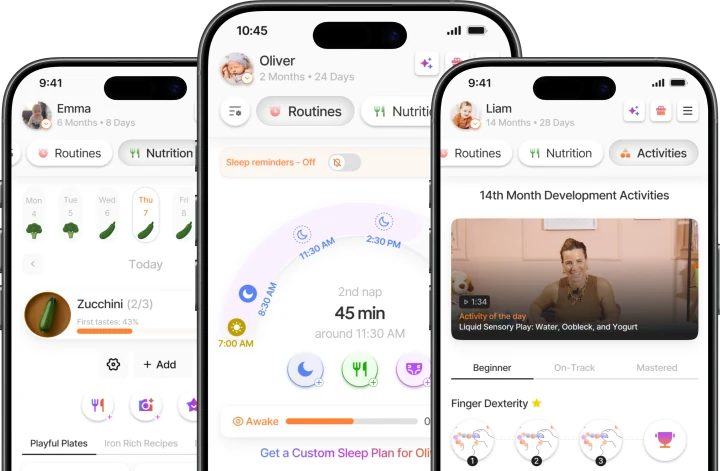
Hormonal changes also affect the process closely. A sudden drop in oxytocin may cause temporary sadness in the mother. You can track how often and how much breast milk or formula your baby drinks through Yuppo and record breastfeeding sessions to see how quickly you are reducing feeds. This allows you to slow down the process, giving your hormones time to rebalance and your baby time to make a gentle transition to a new feeding routine.

Gradual weaning from breastfeeding
Gradual weaning from breastfeeding usually starts by dropping the least-requested feed, often one in the middle of the day, and waiting an average of 3 to 7 days before each reduction. This waiting period helps your body adjust milk production to the new schedule. Feeds before nighttime sleep or first thing in the morning are often saved for last because they tend to carry the strongest emotional connection.
Parent-led and child-led approaches
Parent-led and child-led approaches manage weaning gradually while staying responsive to the baby's needs, following the principle of “don't offer, don't refuse.” In child-led weaning, a baby loses interest in nursing as they become more satisfied with solids. With a parent-led approach, the mother sets limits and replaces discontinued breastfeeding sessions with a loving routine involving physical contact. During weaning, a pacifier may be offered in a controlled way at bedtime to meet the baby's need to suck. During the day, however, redirecting attention to play can help prevent it from becoming a primary dependence.
Breastfeeding weaning tips for a smoother transition
Practical and emotional breastfeeding weaning tips aim to protect the bond of trust by drawing your baby's attention to new, caring routines. Crying is common when stopping breastfeeding. In these moments, acknowledge your baby's feelings and stay close with a hug. Avoiding reminder-filled places such as a nursing chair or singing different lullabies can make the transition gentler.
You can plan these alternative routines for times when breastfeeding has been removed:
After waking in the morning: Get out of bed right away and start preparing breakfast with a cheerful song.
Before a daytime nap: Give a gentle back massage and read an age-appropriate storybook.
Before nighttime sleep: Give your baby a warm bath and cuddle with skin-to-skin contact.
During daytime fussiness: Step out onto the balcony for some fresh air or redirect your baby to a distracting toy.

What mistakes are common when stopping breastfeeding?
Common mistakes include ending the process suddenly, putting bitter substances on the breast, or choosing a time when the baby is sick. Applying tomato paste or lemon to the breast to create aversion can cause confusion and fear in the bond with the child's most trusted source of comfort.
Trying cold-turkey breastfeeding weaning when your baby has a fever or is teething intensely can make the adjustment much harder. Weeks when the mother starts a new job, the caregiver changes, or the family is moving are also not ideal for this transition. Your baby may struggle to manage several changes at once.
When should you consult a professional during weaning?
Consulting a professional during weaning is important if the mother has severe breast pain or if a baby older than 6 months refuses fluids. Even with gradual methods, symptoms involving breast warmth, redness, and chills in the mother should be taken seriously.
If the number of wet diapers drops dramatically after your baby stops nursing, there may be a risk of dehydration (fluid loss). At these thresholds, the safest approach is to pause the process for a while and seek professional advice.

Summary and next steps
Gradual reduction: To keep the process safe, reduce breastfeeding sessions slowly over several weeks instead of stopping them suddenly.
Comfort and contact: Replace the comfort your baby is losing with new ways to connect, such as plenty of cuddling and skin-to-skin contact.
Consistent flexibility: If your child is having a difficult week because of illness or teething, pause the process for a few days.
Compassion for yourself: Take warm showers to ease breast fullness and give your body time to adjust to its new hormonal pattern.
When should you call a doctor?
Redness, hardening, and a fever of 38°C (100.4°F) or higher in the mother's breast (possible mastitis).
The baby completely refuses water or other age-appropriate fluids for 12–24 hours after stopping breast milk.
A noticeable drop in the baby's daily number of wet diapers, such as fewer than 3 wet diapers in 24 hours.
The baby is constantly sleepy, extremely lethargic, or does not produce tears when crying.
Painful breast swelling in the mother continues for days without improving despite cold compresses.
This content is for informational purposes only. Always consult your child's pediatrician for diagnosis and treatment.
During this new stage, if you want to support your baby's changing interests and channel their energy in different directions, Yuppo's developmental analysis can assess your child's cognitive, physical, and social skills. This feature shows not only whether your baby can perform a skill, but also the level at which they perform it. It then provides a personalized plan with activity suggestions prepared by experts at an appropriate level of challenge.
This can ease daytime fussiness after weaning through practical play and turn the transition into enjoyable moments that support your baby's development.
Frequently asked questions
How long does it take to stop breastfeeding?
Stopping breastfeeding can take anywhere from several weeks to several months. To avoid the side effects of stopping suddenly, the healthiest approach is usually to wait about 3–7 days after dropping each feed and move through the process slowly.
What should I give my baby at night after weaning?
When a baby older than 1 year wakes at night after weaning, water is generally offered. Offering water instead of milk can help avoid restarting nighttime feeds. Gentle physical contact and soothing can help your baby return to sleep while adjusting to the new routine.
Is it harmful to stop breastfeeding suddenly?
Stopping breastfeeding suddenly can increase the mother's risk of mastitis and may lead to insecurity and intense crying in the baby. Sudden hormonal changes can also be difficult for the mother. A gradual approach is generally considered safer and easier for both of you.
How can I relieve breast engorgement when weaning?
Breast pain after weaning usually eases over time with brief cold compresses and gentle massage in the shower. Express only a small amount of milk—just enough to relieve pressure rather than fully emptying the breast. This can help your body reduce milk production.
What if my baby does not want to stop breastfeeding?
If your baby does not want to stop breastfeeding, wait a few weeks and try a gradual approach again without pressure. Choose a calm period when your baby is not sick or overtired. You can restart by offering new games and gently redirecting your baby's attention.
Should I use a pacifier more during weaning?
During weaning, a pacifier may be offered in a controlled way at bedtime to meet your baby's need to suck. During the day, however, it is important to redirect your baby's attention to play so the pacifier does not become a primary dependence.
References

Yuppo Lab
Lactation Expert

Yuppo Case
Learn how parallel play supports toddlers and find simple developmental activities for toddlers at home. Follow your child’s progress with Yuppo.

Yuppo Case
Learn why a child growth chart is more useful over time than one weight check—and how Yuppo helps you follow your child's growth. Track growth with Yuppo.

Yuppo Case
Learn why picky eating happens and how to support your child with calm, practical steps. Track meals and nutrition with the Yuppo app.